
Meet HCR-1

The Robot

HCR-1 is our first featherweight battlebot, designed and built by HAN students. Every part is engineered for performance within competition limits.

HCR-1 Battlebot
v1.0.0
FEATHERWEIGHT
Overview

Built for Competition

HCR-1 is our first entry into competitive robotics. Built from the ground up using engineering principles and manufacturing techniques, this robot shows everything we have learned as a team.

The design focuses on durability and repairability, key factors in competitions where damage happens. Every part is accessible for quick repairs between matches, and the modular design allows for fast iteration and improvement.

Inside, HCR-1 uses custom electronics built for the demands of robotic competition. From the power system to the motor controllers, every circuit is optimized for reliability under stress.

Technical Details

Robot Specifications

Technical specs for HCR-1, our featherweight battlebot.

ClassFeatherweight
Weight13.6 kg
DimensionsTBD
Drive SystemBrushless
Active ElementTBD
BatteryLiPo
Control2.4 GHz RC
FrameCNC Aluminium
Engineering

Robot Subsystems

A closer look at the engineering that powers HCR-1.

Drive System

High torque brushless motors with precision gearboxes give fast acceleration and smooth control in the arena.

  • Brushless outrunner motors
  • Planetary gearboxes
  • Foam filled arena wheels
  • Integrated motor controllers

Kinetic System

A high performance kinetic system designed for competition use. The mechanism is built for reliability under heavy loads.

  • High RPM brushless motor
  • Hardened steel contact element
  • Precision bearings
  • Tool free maintenance access

Electronics

Custom PCBs handle power distribution, motor control, and sensor integration in a compact and robust package.

  • Custom ESC design
  • Power distribution board
  • Voltage monitoring
  • LED status indicators

Control System

Reliable 2.4 GHz radio control with custom failsafe logic ensures the robot responds quickly and safely in the arena.

  • 2.4 GHz RC receiver
  • Custom failsafe logic
  • Dual channel redundancy
  • Real time telemetry

Power System

High discharge LiPo batteries provide the current needed for both drive and active systems during competition.

  • High C rating LiPo packs
  • Balanced charging system
  • Current monitoring
  • Thermal protection

Manufacturing

In house manufacturing includes CNC machining, 3D printing, and composite work for fast iteration.

  • CNC aluminium chassis
  • 3D printed prototypes
  • Composite armor panels
  • Waterjet cut components
Design Process

From CAD to Competition

The journey from concept to competition robot takes many hours of CAD modeling, simulation, and prototyping. Our design process follows engineering best practices while keeping the flexibility needed for fast iteration.

We use industry standard CAD software to model every part, letting us verify clearances, analyze stress, and generate manufacturing drawings. Finite element analysis helps us optimize the chassis and active system for strength to weight ratio.

Prototypes are made using 3D printing for quick iteration, followed by CNC machining for final competition grade parts. This lets us test and refine designs before committing to expensive manufacturing.
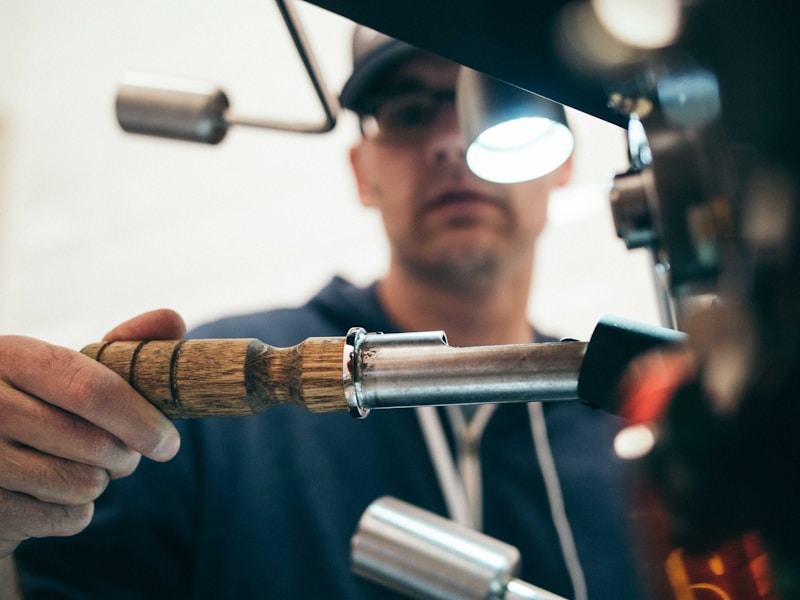
CAD Design Process
Future Development

Future Robots

HCR-1 is just the start. We are already planning our next robots.

HCR-1

Current

Our first featherweight robot, focusing on proven design principles and reliability.

HCR-2

Planned 2027

Next generation with lessons from HCR-1 and advanced manufacturing techniques.

Support HCR

Partner with us to support student engineering and help us build the next HCR robots.